
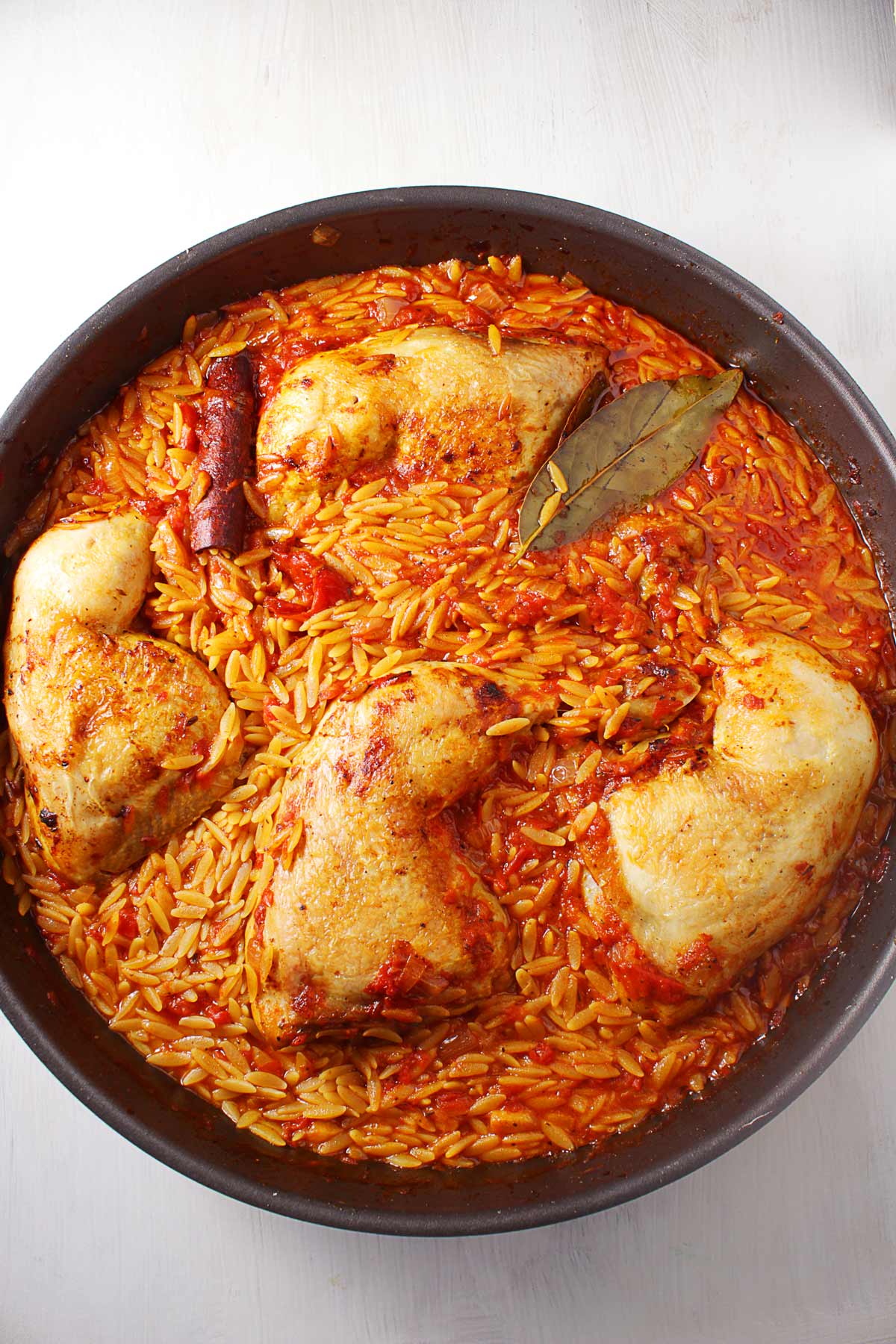
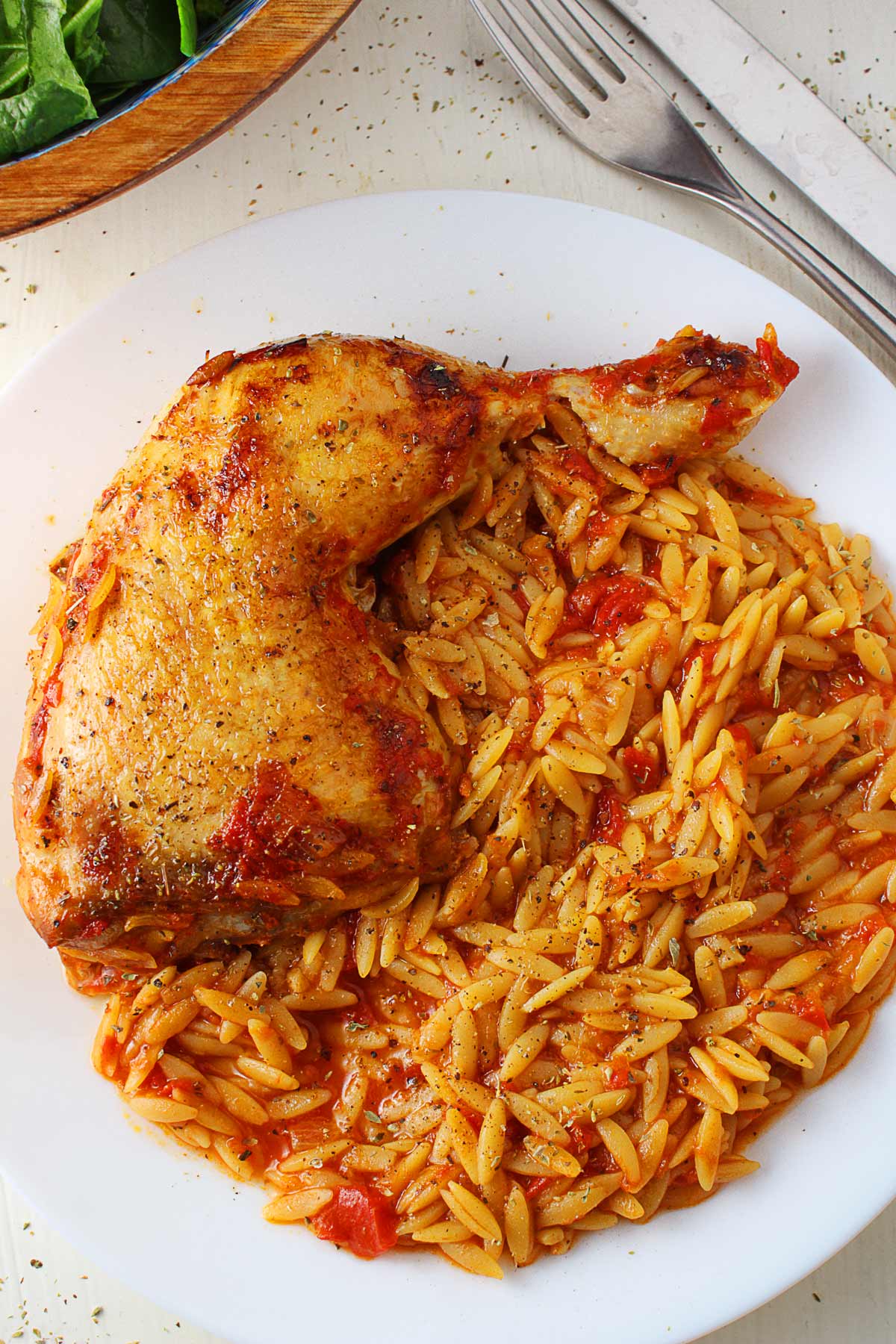
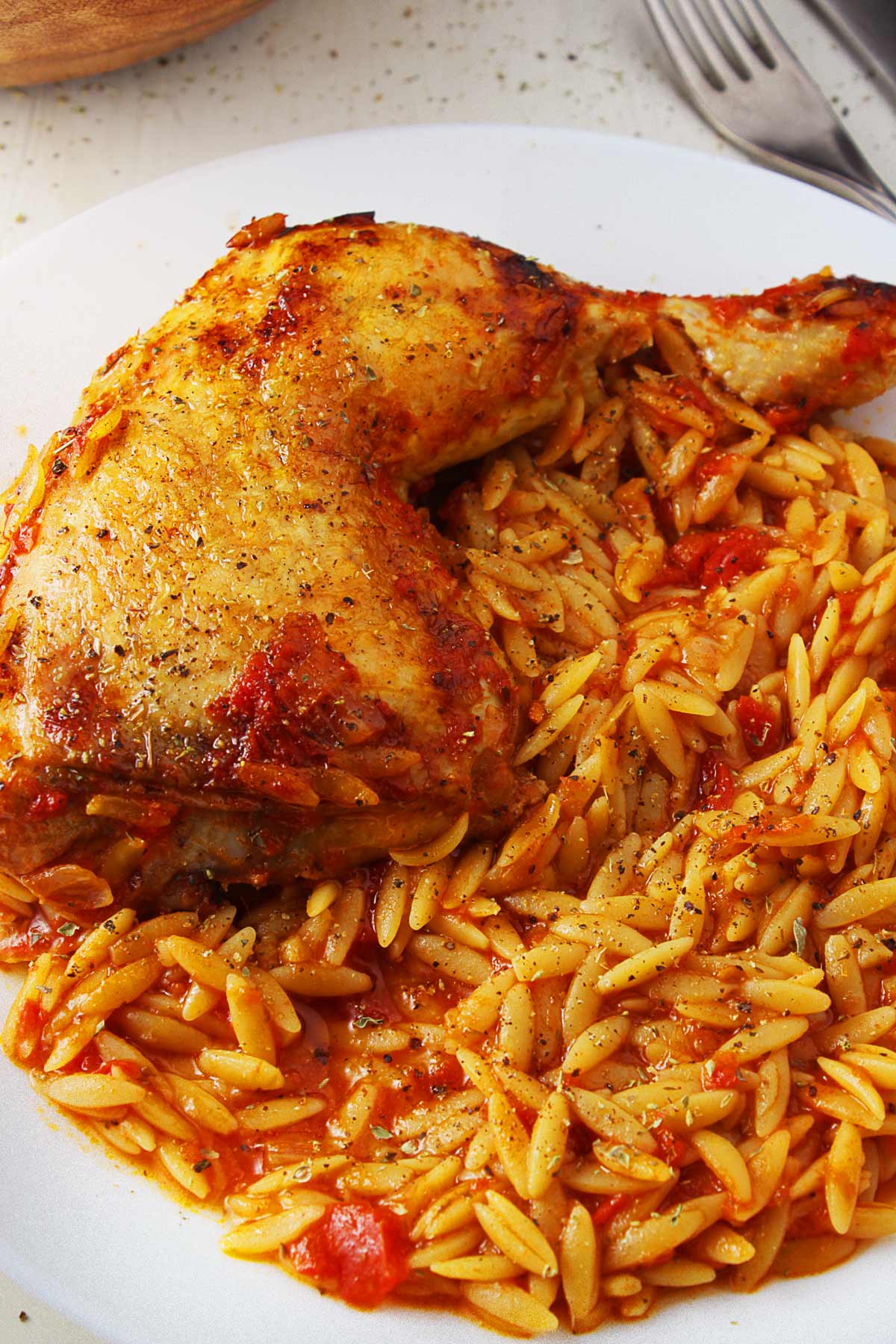
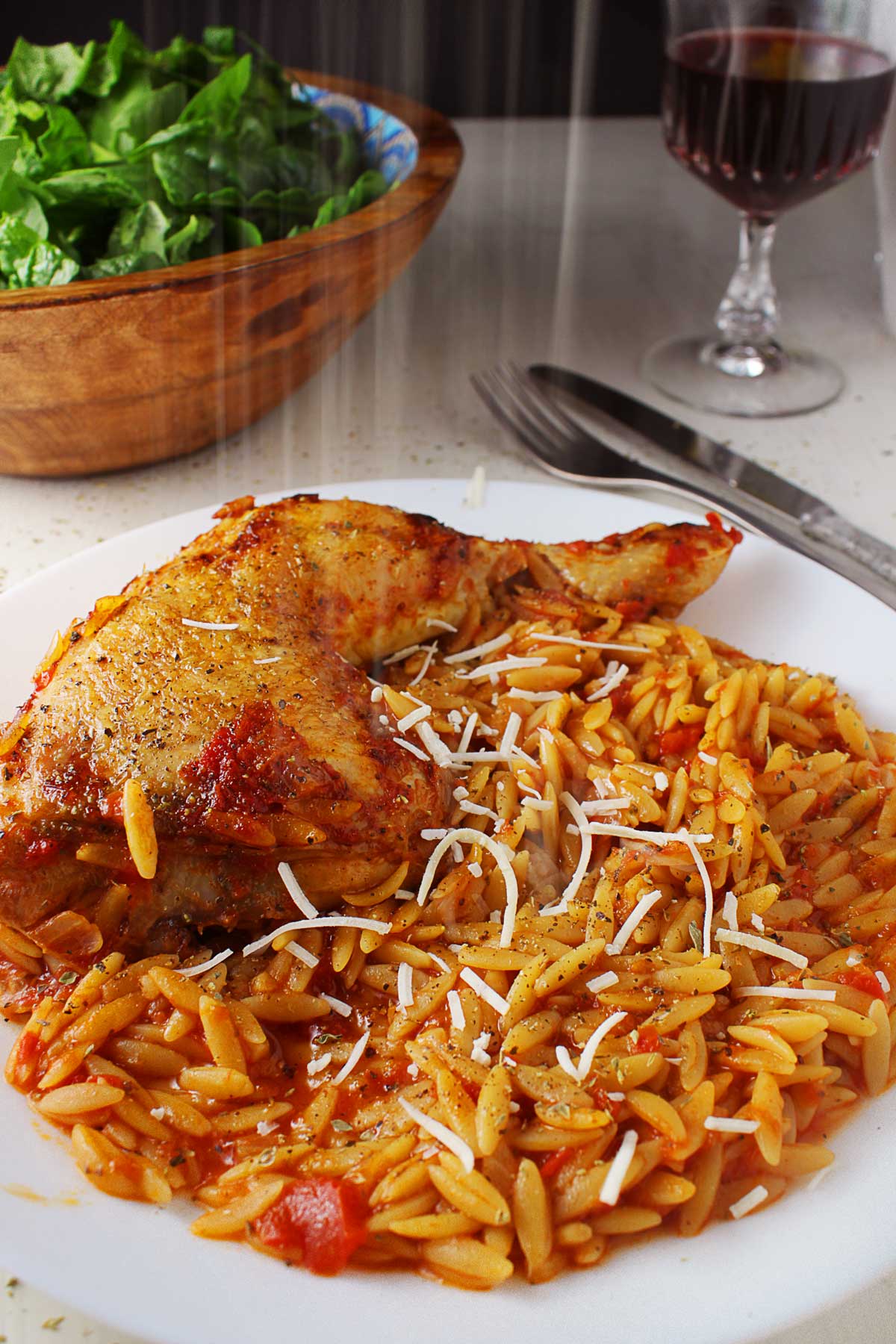
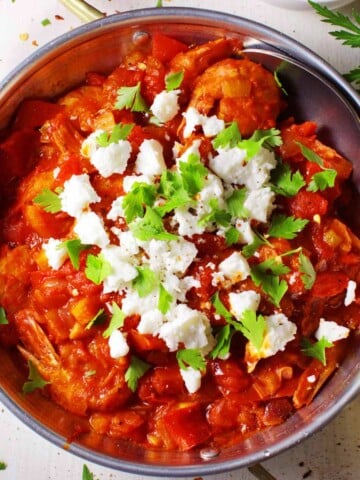
When it comes to comfort food, the Greeks know how to do it best. Imagine tender, juicy chicken slowly roasted until golden, nestled into a bed of creamy tomato-infused orzo pasta that soaks up every drop of flavor. That's Greek Chicken Orzo Bake, called giouvetsi or youvetsi in Greek.
Jump to:
- Why this recipe works
- The recipe's history
- Key ingredients
- Meal Prepping this recipe
- Substitutions and variations
- How to make Greek chicken orzo bake
- Expert tips
- What to serve with chicken orzo bake
- How to serve leftovers
- How to store and freeze
- More Mediterranean chicken recipes
- More Mediterranean orzo recipes
- Get my eBook!
- Recipe
Why this recipe works
This beloved casserole dish transforms simple ingredients into a heartwarming, aromatic meal perfect for family dinners or special gatherings. If you've been searching for a recipe that is both soulful and practical, this dish is exactly what you need.
Simple, yet impressive: just one pot, a handful of pantry staples. You get a meal that looks and tastes like it came from a tavern or restaurant in Greece.
Deeply flavorful: roasting the chicken first intensifies its flavor, and cooking orzo in the same pot ensures the pasta soaks up all the savory juices. The addition of herbs and spices enhances the flavor to the max.
Creamy without cream: orzo has a natural creaminess when simmered in tomato, making this dish hearty yet not heavy.
Customizable: works with different chicken cuts, and you can play with spices or add vegetables.
The essence of the Mediterranean eating and living: a way of life where meals are never just about food, but about gathering, slowing down, and connecting.
Around the table, stories are shared, and laughter lingers, reminding us that the Mediterranean essence is as much about togetherness as it is about nourishment.
If you love Mediterranean comfort food, Greek cuisine has plenty more to offer. From the classic Moussaka, to rustic Pastitsada (beef with pasta) and comforting Gemista (stuffed vegetables with rice), there's always a cozy dish for every taste.
The recipe's history
Not interested in food history? No problem Jump to Recipe.
The roots of Greek giouvetsi trace back to the Ottoman period, when culinary practices from Asia Minor were integrated into Greek cuisine. The word "Giouvetsi" comes from the Turkish "güveç," meaning clay pot. This traditional vessel was used to slow-cook meat and grains, producing deeply flavorful dishes.
Over the centuries, giouvetsi dish evolved into a staple of Greek households, especially in rural areas.
This hearty and festive chicken orzo bake gained widespread popularity in Greece in the early 20th century, following the rise of pasta production in the 1930s.
Previously, Greek pasta traditions were limited to handmade varieties, such as hilopites and trahanas. While some regions, such as Corfu and Crete, had earlier pasta influences due to Venetian presence, giouvetsi offered an accessible and comforting option for family meals.
Traditionally, giouvetsi was a Sunday dish with a social role. Families would take the meat to the local bakery, where the baker roasted it and added the orzo toward the end of cooking. This allowed the women to attend church services, dress up, and socialize before collecting the finished meal. The dish was practical, simple, and communal, reflecting both convenience and the celebratory spirit of Greek family life.
By the 1960s and 1970s, giouvetsi became a household classic. Today, it remains a cherished dish, celebrating Greek family traditions, communal dining, and the slow, joyful rhythms of Sunday tables.
Key ingredients
Here's what makes this dish so special:
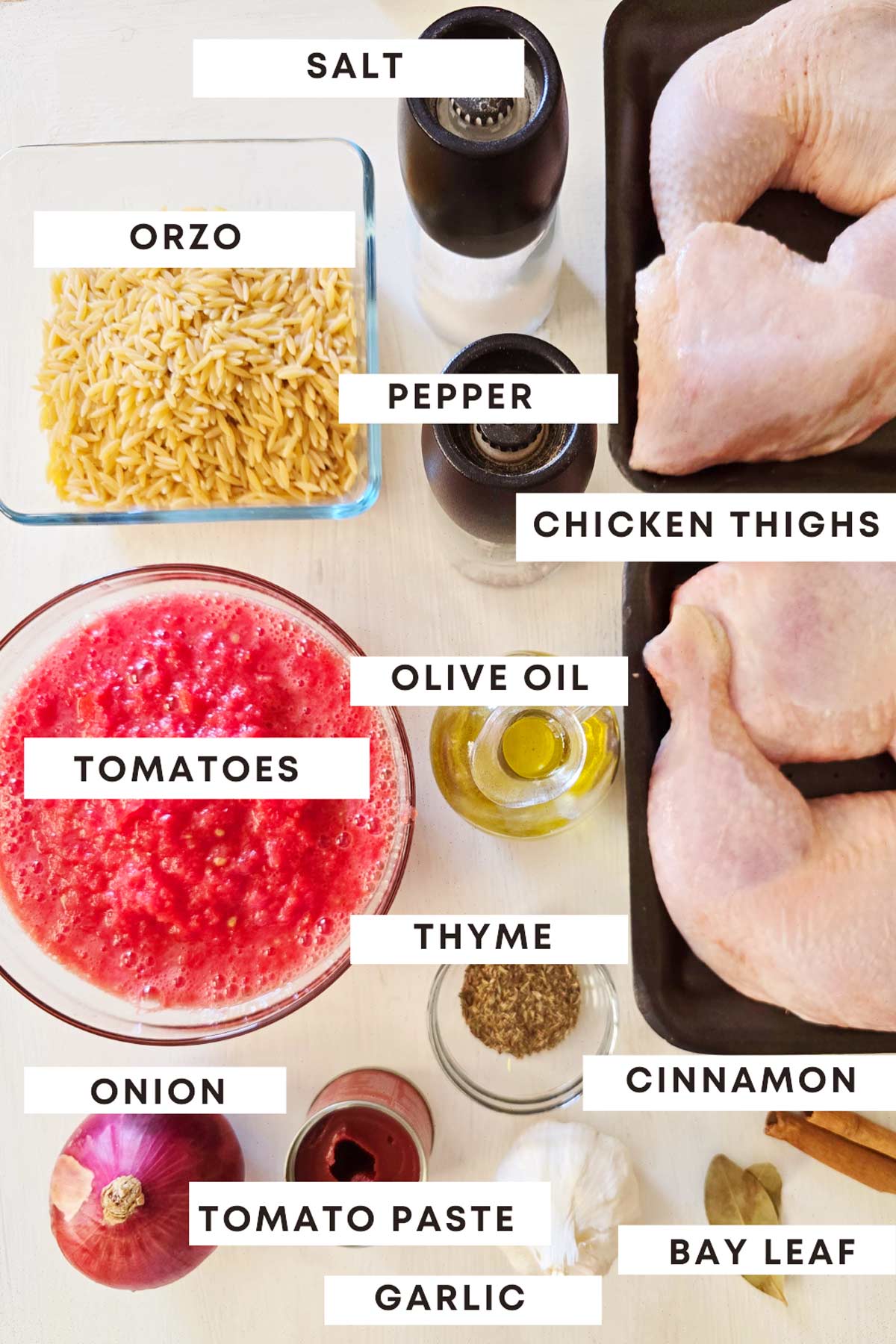
Chicken: use thighs, drumsticks, or even a whole cut-up chicken. Avoid boneless, skinless breasts as they dry out.
Orzo (Kritharaki in Greek): small rice-shaped pasta that becomes creamy as it cooks.
Tomatoes: fresh or canned tomatoes, or tomato sauce, and a touch of tomato paste.
Onion & garlic: the usual aromatic foundation in the majority of Greek dishes.
Olive oil: extra virgin, the backbone of Greek cooking.
Cinnamon: lends subtle depth and a unique Mediterranean flavor. I know that most of you aren't familiar with cinnamon with meat, but I highly recommend adding it.
Start with at least half the quantity I give in the recipe card. Start with 1 small cinnamon stick, and if you like it, add another one the second time you make this dish.
Thyme: adds a Mediterranean aroma to your dish. Add dried or fresh.
Bay leaf: adds a gentle, earthy aroma that deepens the tomato sauce and rounds out the flavors of the dish.
Stock or water: Greek cooks traditionally use water instead of stock or broth because slow cooking allows the natural juices of meat and vegetables to create rich, flavorful liquid on their own. This simple approach highlights the ingredients' true flavors without masking them.
Cheese for serving: traditionally grated Greek kefalotyri, myzithra, but you may also use Parmesan or Pecorino.
Meal Prepping this recipe
Make ahead: This dish lends itself beautifully to advance prep. You can roast the chicken and prepare the tomato base the day before, then simply add the orzo and bake when you're ready to serve. This way, the flavors deepen overnight, and all you need is a quick finishing step before dinner.
Batch cooking: Giouvetsi is a great candidate for cooking in larger quantities. Double the recipe and portion half into freezer-safe containers for a stress-free weeknight meal later on. Because it's a one-pot dish, scaling up doesn't create extra work-just a bigger pot of comfort food.
Lunch prep: Pack leftovers into individual containers for quick lunches throughout the week. The dish reheats well, especially with a splash of water to loosen the orzo, making it perfect for work or school meals. Having ready-to-go servings saves time and guarantees you a hearty, homemade option instead of takeout.
Substitutions and variations
Like many traditional Greek dishes, Giouvetsi comes in countless regional variations that reflect the diverse culinary identity of Greece.
In some areas, cooks enrich the tomato base with a splash of local wine or even vinegar. In other villages, seasonal vegetables such as zucchini, peppers, or eggplant are added, turning the dish into a heartier, more colorful one-pot meal. Like this 30-minute one pan chicken with shallots (small onions) and orzo. It saved my life and sanity as a delicious weekday dinner many times.
The addition of spices is optional, too, but highly recommended. The cinnamon-allspice combo is amazing! Give it a try!
The choice of protein also shifts depending on the region and the time of year. While lamb and goat are classic in rural and mountainous areas, chicken is a common household favorite. Beef is often used for festive gatherings. This flexibility is part of what makes Giouvetsi so beloved. Its core idea stays the same, but it adapts beautifully to whatever ingredients are available.
How to make Greek chicken orzo bake
Let's make this amazing dish together.
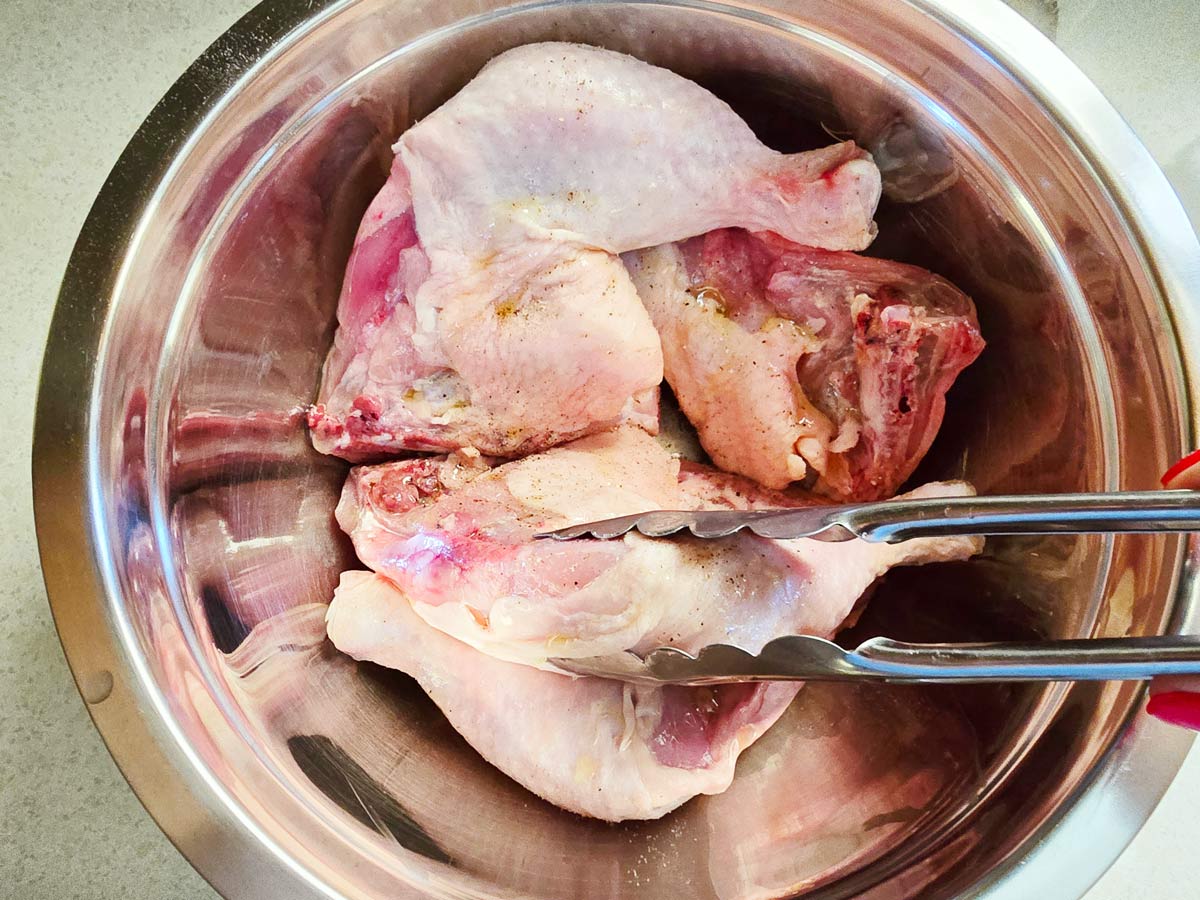
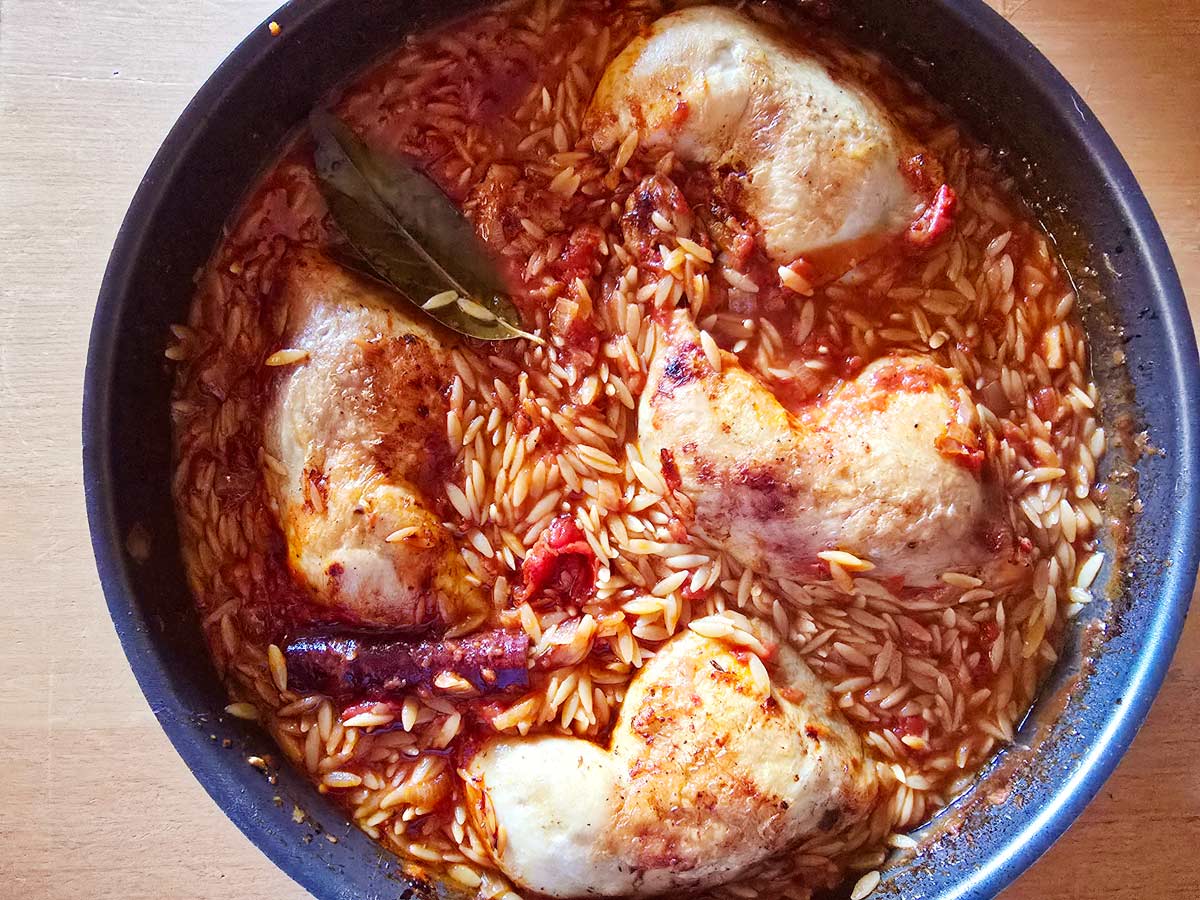
1 Step: Pat the chicken dry and toss with olive oil, salt, and pepper to coat.
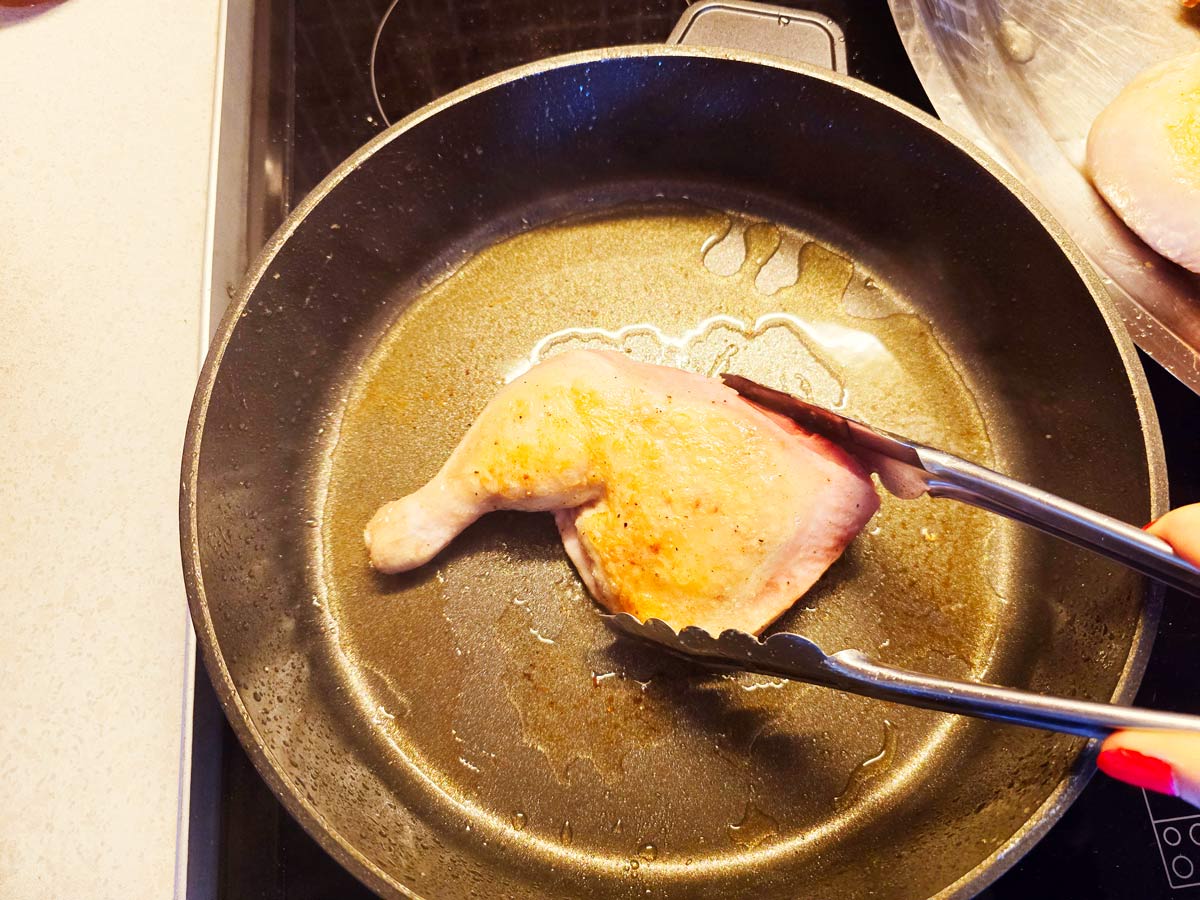
2 Step: Heat a large, deep skillet or Dutch oven and brown the chicken in batches until golden all over; transfer the browned pieces to a platter.
3 Step: In the same pan, sauté the chopped onion until softened. Add garlic, bay leaves, thyme, and a cinnamon stick, and cook until fragrant.
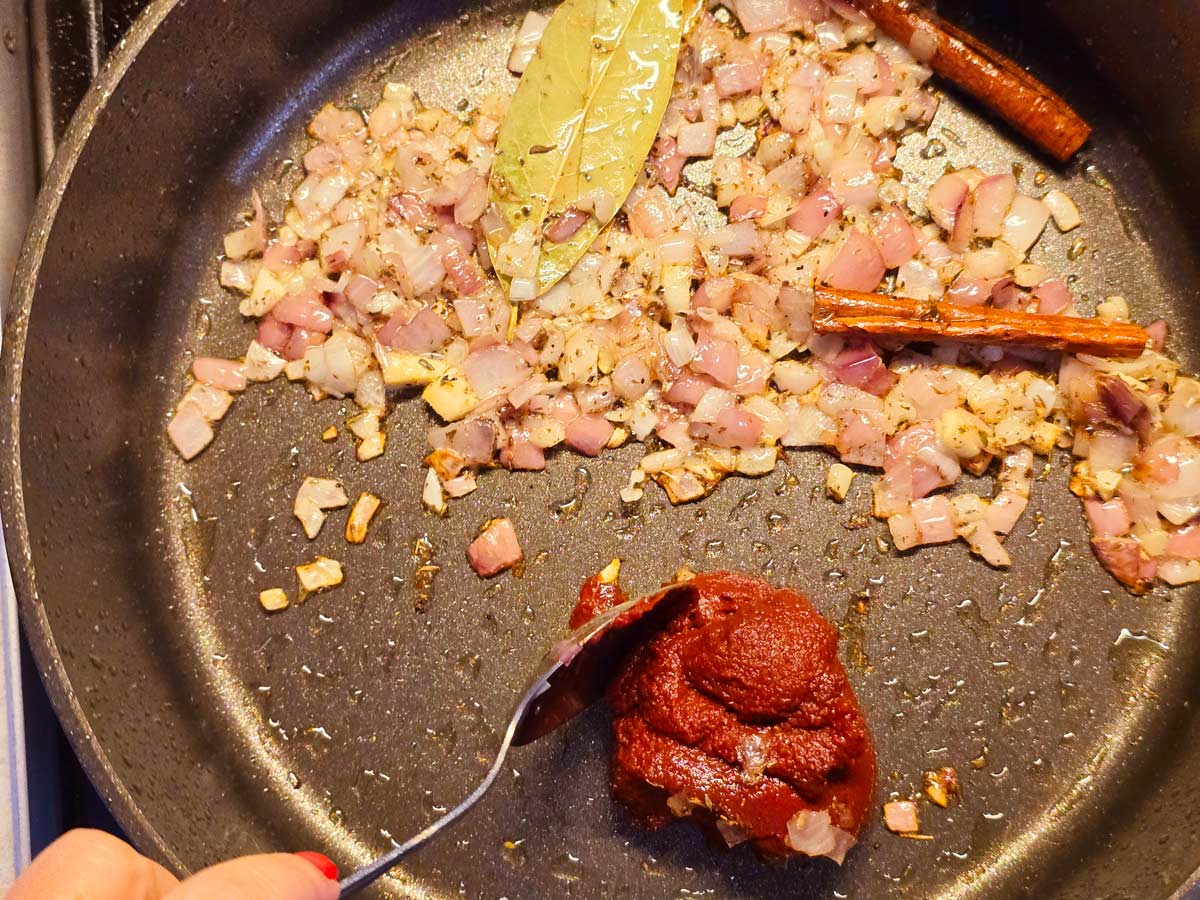
4 Step: Stir in tomato paste and cook briefly to deepen its flavor, then add the tomatoes and simmer gently to concentrate the sauce. Taste and adjust the seasoning and sweetness if needed.
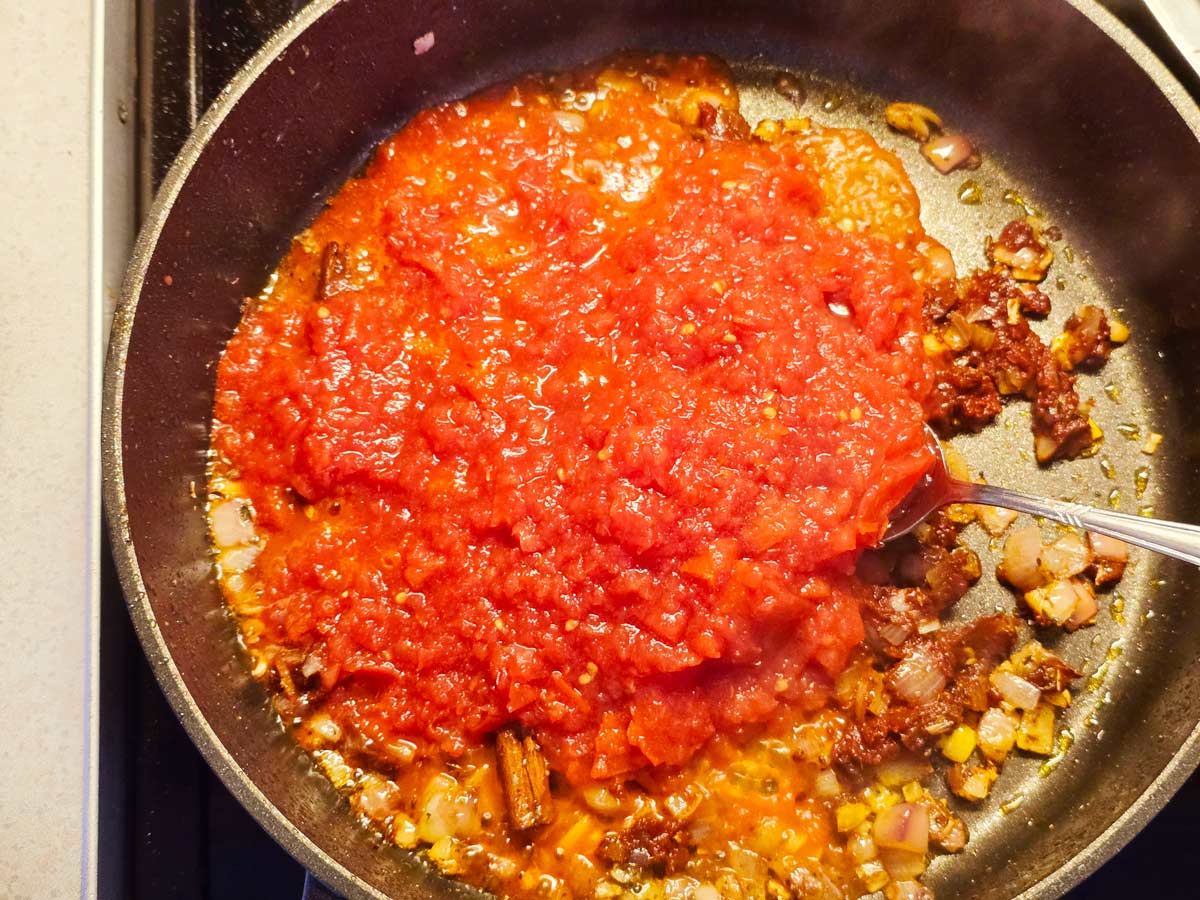
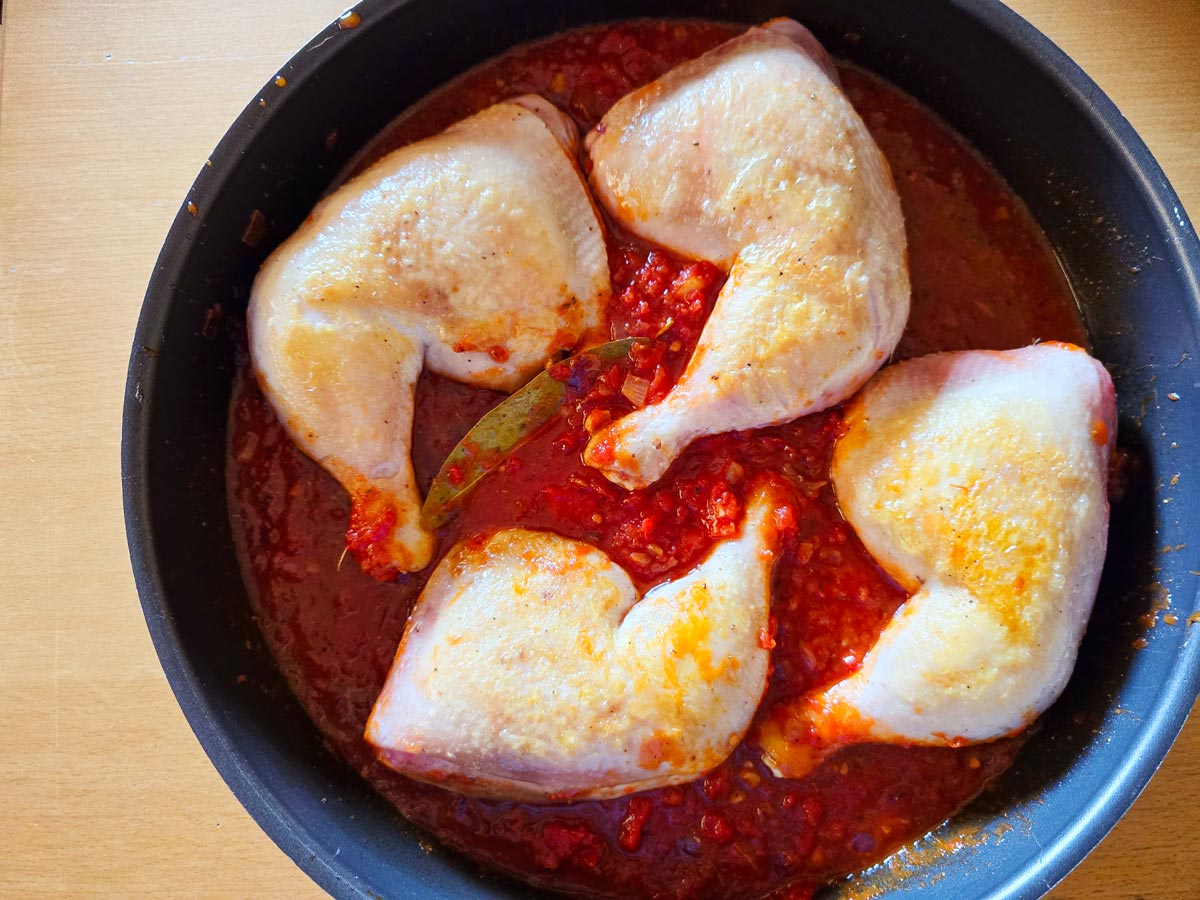
5 Step: Transfer the sauce to a wide baking dish, nestle the chicken into the sauce, and add hot water to loosen. Cover the dish with parchment or a lid and bake until the chicken is nearly cooked through.
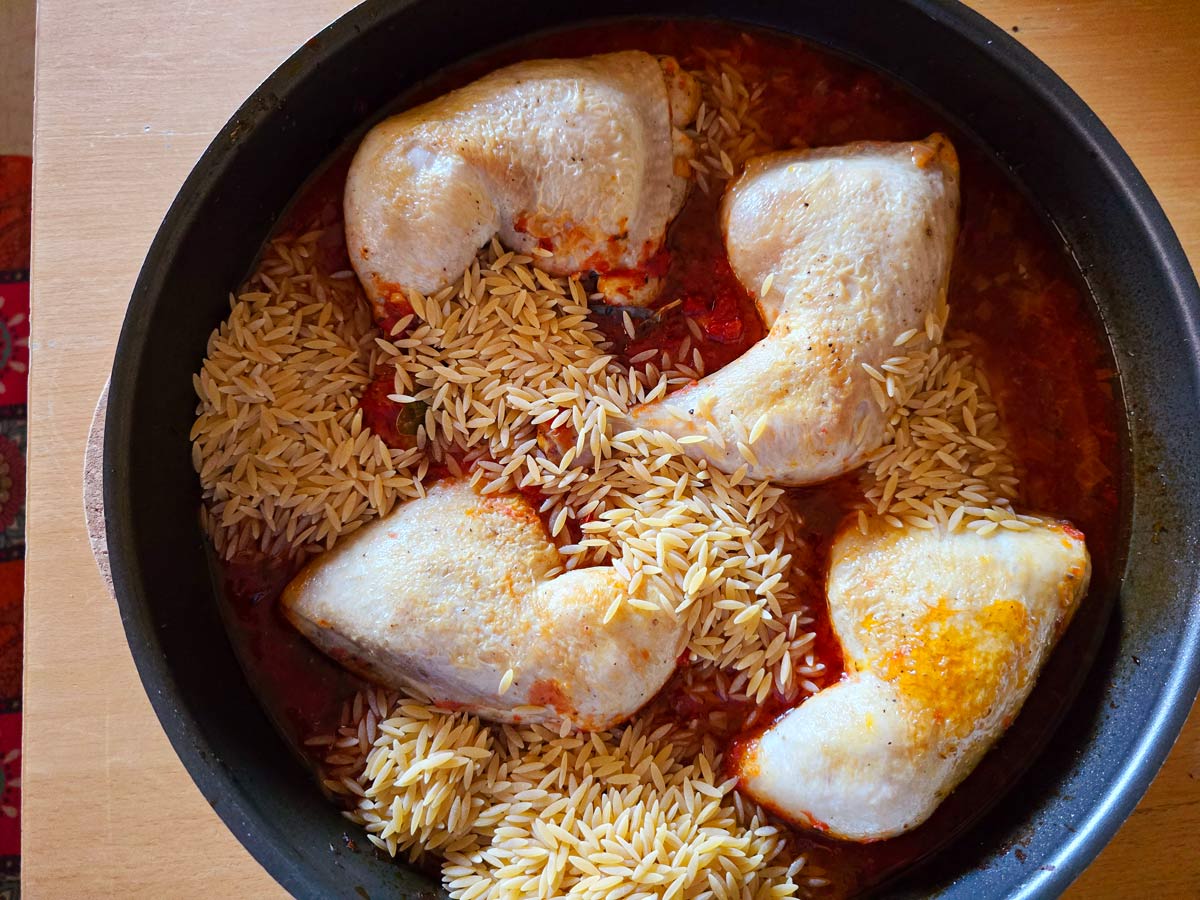
6 Step: Remove the cover, stir the orzo into the baking dish, and add hot water so the pasta is just submerged. Season, return the dish to the oven uncovered, and bake until the orzo is tender and the mixture is saucy; check once or twice and add more hot liquid if it becomes dry.
7 Step: Discard the cinnamon stick and bay leaves. Serve hot, finished with grated hard cheese and a scattering of fresh parsley or thyme.
Expert tips
Here are some expert tips you can add to your Chicken Giouvetsi recipe, followed by the translation you asked for:
The chicken: Use bone-in, skin-on pieces for the most flavor; other cuts may be used, but will yield different richness.
Brown well: Take time to sear the chicken until golden - this step builds depth of flavor in both the meat and the sauce.
Toast the tomato paste: Cooking the paste briefly before adding tomatoes intensifies its sweetness and reduces acidity.
Balance the tomatoes: If the tomatoes taste sharp, a pinch of sugar will round out the flavor without making the sauce sweet.
Keep it saucy: The dish should be served slightly juicy rather than dry, because orzo continues to absorb moisture as it cools.
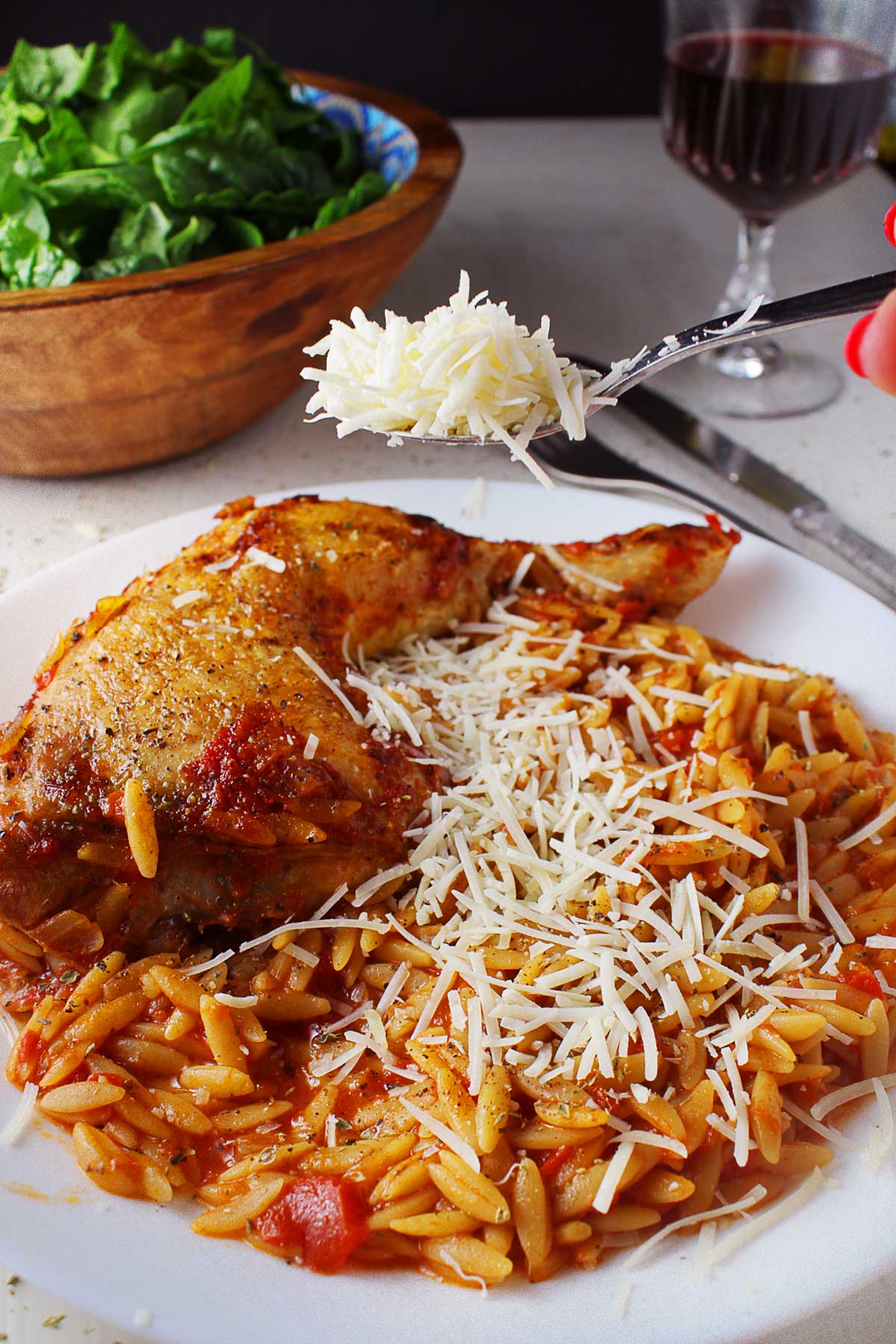
Cheese matters for those who eat dairy: A grating of kefalotyri or mizithra adds a salty tang that balances the rich tomato sauce. Parmesan is a good substitute if Greek cheeses are unavailable.
What to serve with chicken orzo bake
In Greece, giouvetsi is a centerpiece dish, and its rich aroma fills the home, while side dishes balance and brighten the meal.
A crisp horiatiki salad adds freshness during summer, often accompanied by crusty village bread for dipping into the sauce. In the winter, these easy salads, like traditional politiki (cabbage salad) and classic maroulosalata (lettuce salad), are perfect accompaniments.
Small plates of classic, creamy tzatziki or melitzanosalata (eggplant dip) appear for variety, alongside baked feta (bougioudi). Maybe you want to serve a pie, because there is no Greek Sunday without a traditional pie. To finish, a simple plate of fruit or a sweet such as galaktoboureko or ekmek kataifi often rounds out the meal.
The table is meant for sharing, with family and friends gathered around, laughter flowing as freely as the wine or raki (Greek spirit). This spread reflects the Greek tradition of "filoxenia"-hospitality expressed through generous food and warm company for family and friends.
How to serve leftovers
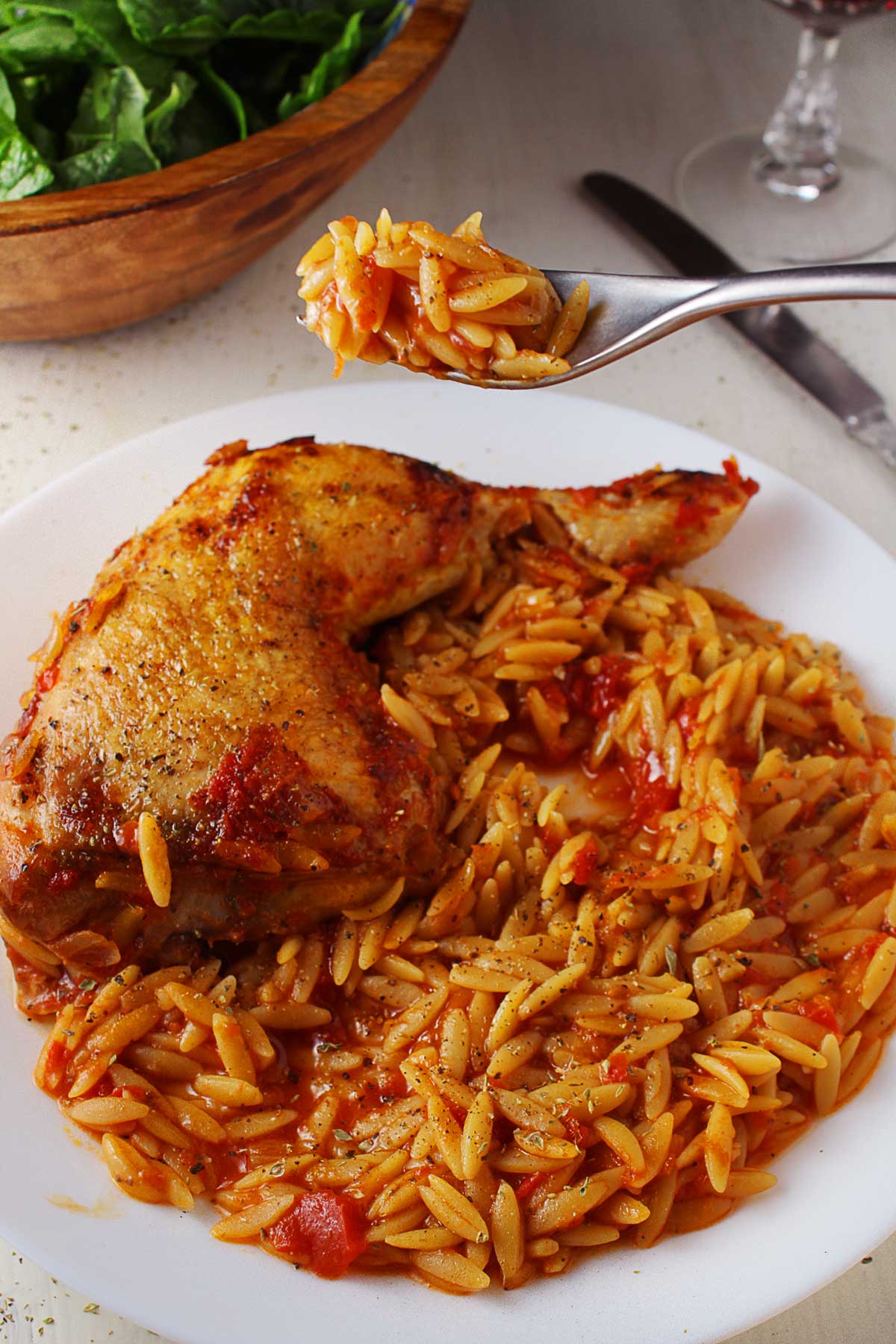
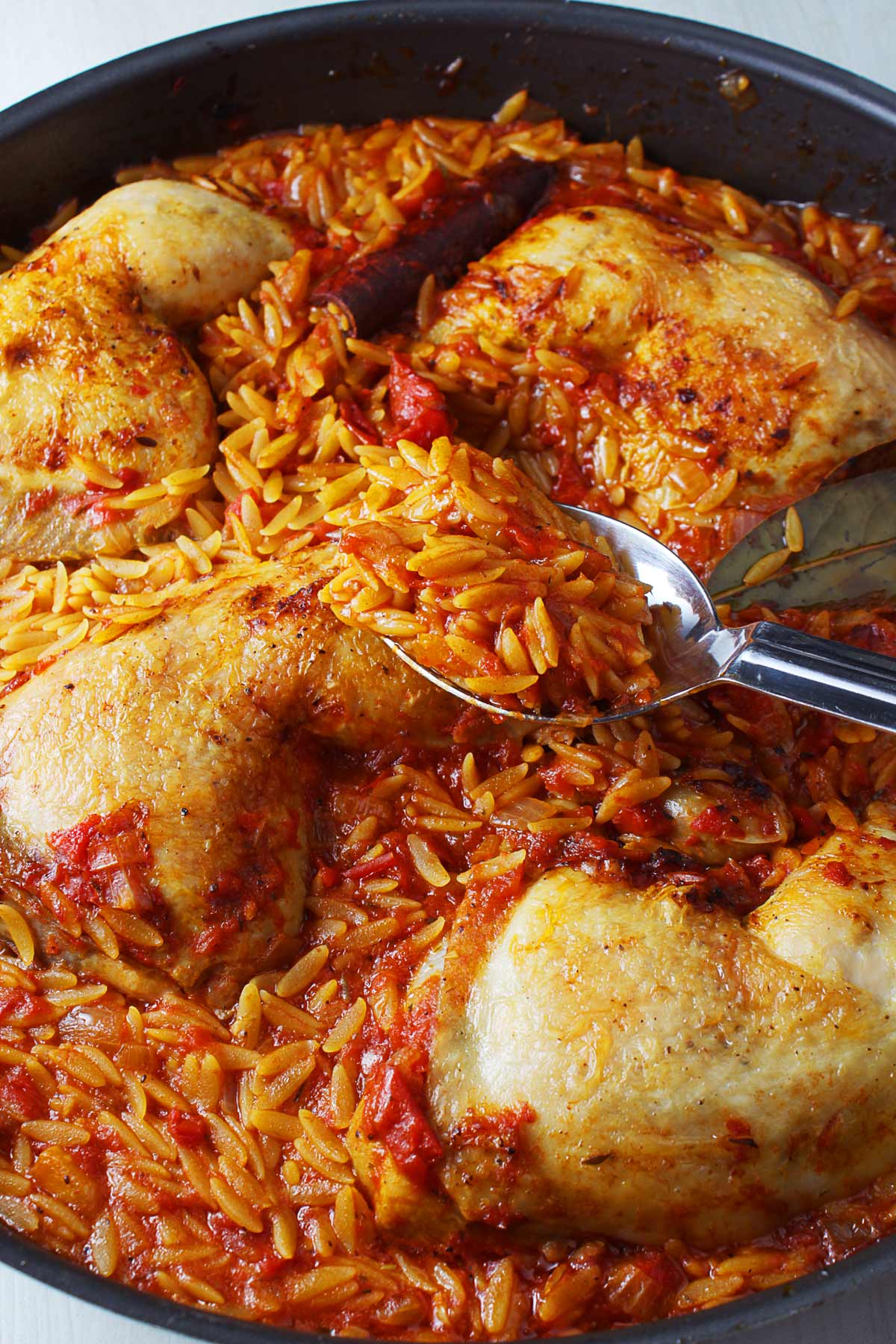
This chicken orzo bake often tastes even better the next day, as the flavors of the tomato sauce, herbs, and chicken deepen with time.
When serving, keep in mind that the orzo will have absorbed more liquid and may feel dense. To restore its ideal texture, stir in a splash of hot water or chicken broth while gently reheating, allowing the pasta to loosen and become saucy again.
Serve warm with a fresh grating of kefalotyri or Parmesan and a sprinkling of parsley to revive its brightness.
How to store and freeze
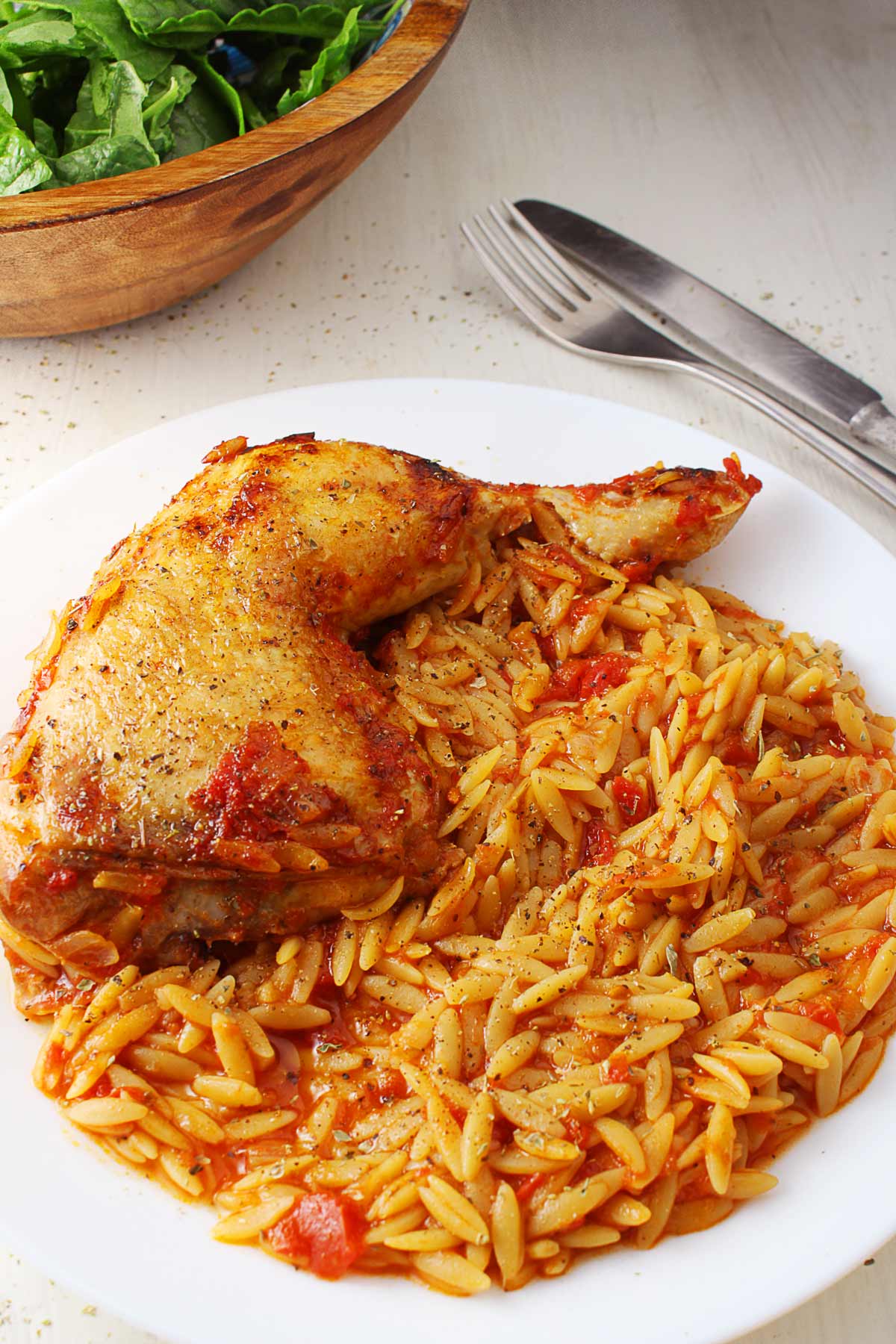
Store: Giouvetsi can be stored in an airtight container in the refrigerator for up to three days.
Freeze: For longer storage, portion the cooled dish into freezer-safe containers and freeze for up to two months.
Reheat: When ready to enjoy, thaw overnight in the refrigerator, then reheat gently on the stovetop or in the oven, adding a little hot water or broth as needed to restore moisture.
Avoid microwaving large portions directly from frozen, as the chicken may dry out before the orzo heats through. With careful reheating, the dish regains its comforting, saucy consistency.
More Mediterranean chicken recipes
Here are some quick and mouthwatering chicken recipes that you should taste and add to your monthly rotation:


More Mediterranean orzo recipes
Looking for more delicious ideas? More traditional Greek Mediterranean food? I've got plenty more waiting for you. You can try my favorite tomato soup with orzo (called manestra in Greek) from my ebook "Greek Fasting Feasts".

Get my eBook!
✔ Authentic, tried-and-true recipes
✔ Vegan-friendly with traditional seafood options
✔ Tried-and-tested favorites, straight from Greek kitchens
Recipe
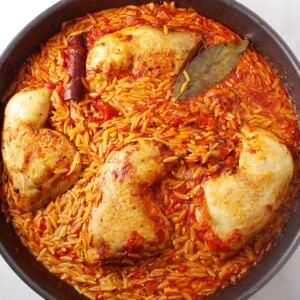
Greek Chicken Orzo Bake - Giouvetsi
Ingredients
- 3.3 pounds (1 ½kilos) chicken thighs*1
- 4 tablespoons olive oil
- 1 onion, chopped
- 3 cloves garlic, minced
- 2 bay leaves
- 1 tablespoon fresh thyme or 1 teaspoon dried
- 1-2 cinnamon stick(s)*2
- 1 ¼ cups (about 300g) medium orzo pasta, or 1 ½ cups (about 300g) thick orzo pasta
- 1 tablespoon tomato paste
- 2 ½ cups (600 ml) hot water, or broth
- 3 ½ cups (680g) fresh tomatoes, grated or 1 large 28oz (600-650g) canned tomatoes, grated
- 1 pinch granulated sugar (optional)
- Salt and pepper to taste
TO SERVE
- Greek kefalotyri, or mitzithra or Parmesan cheese, grated
- Thyme or fresh parsley, chopped
Instructions
- Preheat the oven to 350°F (180°C).
PREPARE THE CHICKEN
- Pat the chicken dry and place it in a bowl. Add 2 tablespoons of olive oil, season generously with salt and pepper, and toss to coat.
- In a large deep skillet, Dutch oven, or wide pan, brown the chicken over medium-high heat for 2-3 minutes per side until golden. Work in batches to avoid overcrowding if needed. Transfer to a platter and set aside.
MAKE THE SAUCE
- In the same pan, add 2 tablespoons olive oil, add the onion and sauté for 3-4 minutes until softened. Stir in the garlic, bay leaves, thyme, and cinnamon stick(s), cooking for 2 minutes.
- Add the tomato paste and cook for 1-2 minutes, then stir in the tomatoes. Add sugar (if the tomatoes aren't too sweet -optional), season with salt and pepper, and simmer over low heat for 2-3 minutes.
BAKE
- Transfer the sauce to a 10x14-inch (25 × 35 cm) baking dish (I used a 14-inch (35 cm)round)*3. Nestle the chicken into the sauce and pour in 1 cup of hot water or broth. Stir gently, cover with parchment paper or a lid, and bake for 30 minutes (40 minutes if using large thighs).
- Carefully remove the baking dish from the oven, uncover, and stir in the orzo along with another cup of hot water or broth. Season lightly with salt and pepper, and return to the oven uncovered.
- Bake for 20-30 minutes, stirring occasionally and adding more hot water or broth if the orzo absorbs too quickly. The pasta should be tender (to your liking) and slightly saucy rather than dry, since orzo continues to absorb moisture as it cools.
SERVE
- Discard the cinnamon stick(s) and bay leaves. Serve hot, topped with grated Greek kefalotyri, or mitzithra, or parmesan cheese and fresh parsley/thyme.
Notes
- Chicken thighs provide the richest flavor, though drumsticks or a whole cut-up chicken may be used. Breasts tend to be less flavorful.
- I recommend using 1 cinnamon stick if you haven't used cinnamon with meat yet. If you like cinnamon, use 2 cinnamon sticks for a bolder flavor.
- Use any size up to 25x35 rectangular or 35cm round baking dish. However, it should be large enough to hold both the chicken and orzo comfortably, allowing room for stirring and liquid.
Nutrition
I would love to hear your feedback. It keeps my kitchen alive and my spirits high. Save this recipe and leave your rate and comment below, or take a photo of your Greek chicken orzo bake and tag me on Instagram with #30daysofgreekfood and Facebook with @30daysofgreekfood.
Leave a Reply